

Checking tyre pressure manually has been standard practice for years, and it is still an important part of safe vehicle maintenance. But when you are towing a caravan, driving long distances or heading off on a touring trip, many tyre problems develop while you are already on the road.
That is where many drivers start asking the question: is a TPMS better than manual tyre pressure checks?
The honest answer is that both have a role. Manual checks help you set the correct cold tyre pressure before you drive. A tyre pressure monitoring system adds a layer of live monitoring while you are moving, helping detect pressure loss and temperature changes that a manual gauge simply cannot see once the trip has begun.
In this guide, we compare TPMS vs manual tyre pressure checks, explain the strengths and weaknesses of each approach, and show why many Australian caravanners and touring drivers now use both.
If you want a system designed for caravans and towing setups, you can also explore the Safety Sam Tyre Pressure Monitoring System.

What is a manual tyre pressure check?
A manual tyre pressure check is exactly what it sounds like. You use a tyre pressure gauge or air compressor with a gauge to measure each tyre before driving, usually when the tyres are cold.
This method has been used for decades and remains an essential part of tyre maintenance. It helps you confirm that each tyre is inflated to the recommended pressure based on vehicle load, towing conditions and manufacturer guidance.
Manual checks are simple, affordable and effective, but they only tell you what the pressure is at the time you check it.
What is a TPMS?
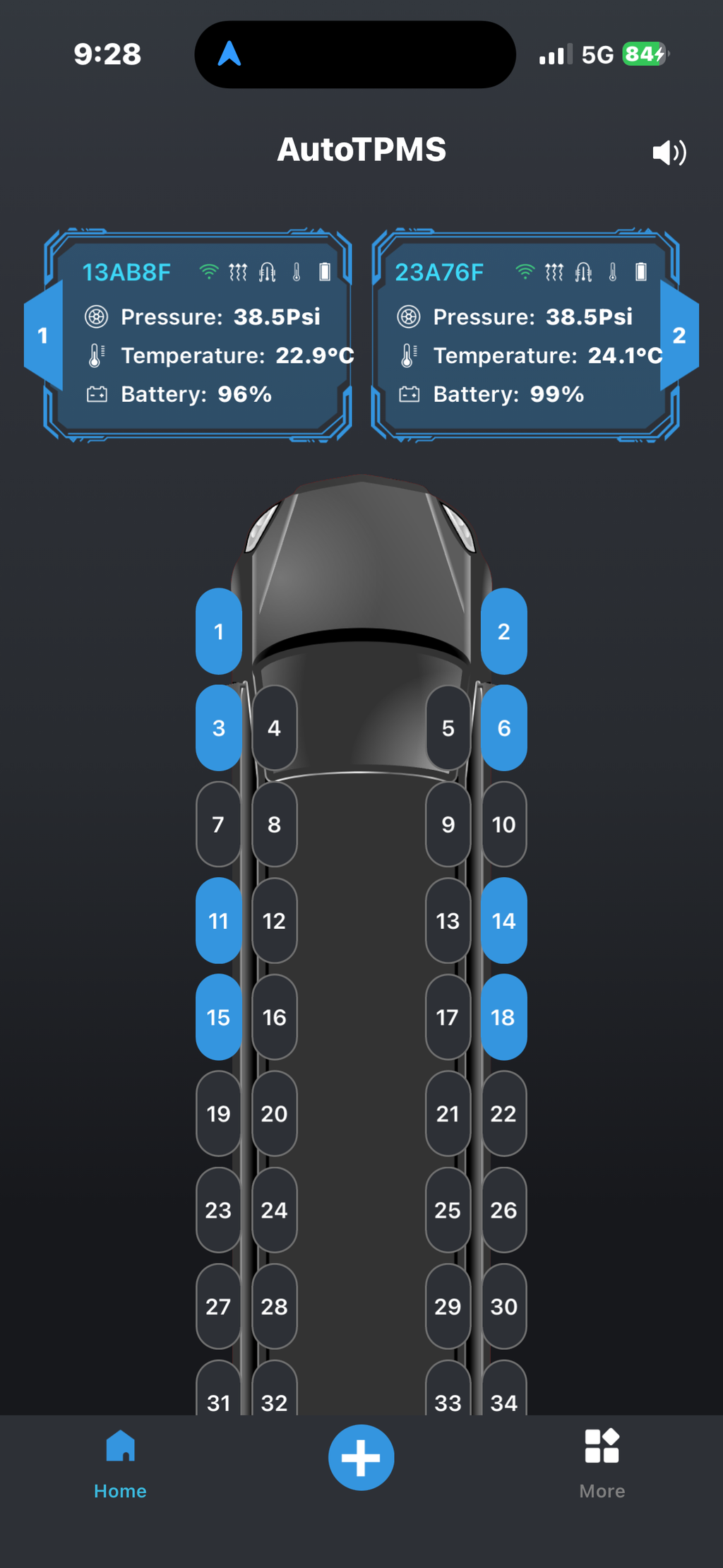
A TPMS, or tyre pressure monitoring system, continuously monitors tyre pressure while you drive. Many systems also track tyre temperature and send alerts if a tyre loses pressure or starts overheating.
Unlike a manual gauge, a TPMS gives you live data in real time. That means it can warn you about a slow leak, rapid air loss or heat build-up that develops during the journey.
If you want a fuller overview, read Best Tyre Pressure Monitoring System in Australia.
TPMS vs manual tyre pressure checks: the key difference
The biggest difference comes down to timing.
- Manual tyre pressure checks tell you the pressure before the trip begins.
- TPMS tells you what is happening while you are driving.
That difference matters because tyres can change significantly once heat, speed, load and road conditions come into play. A tyre that seemed fine in the driveway can begin losing pressure an hour later on the highway.
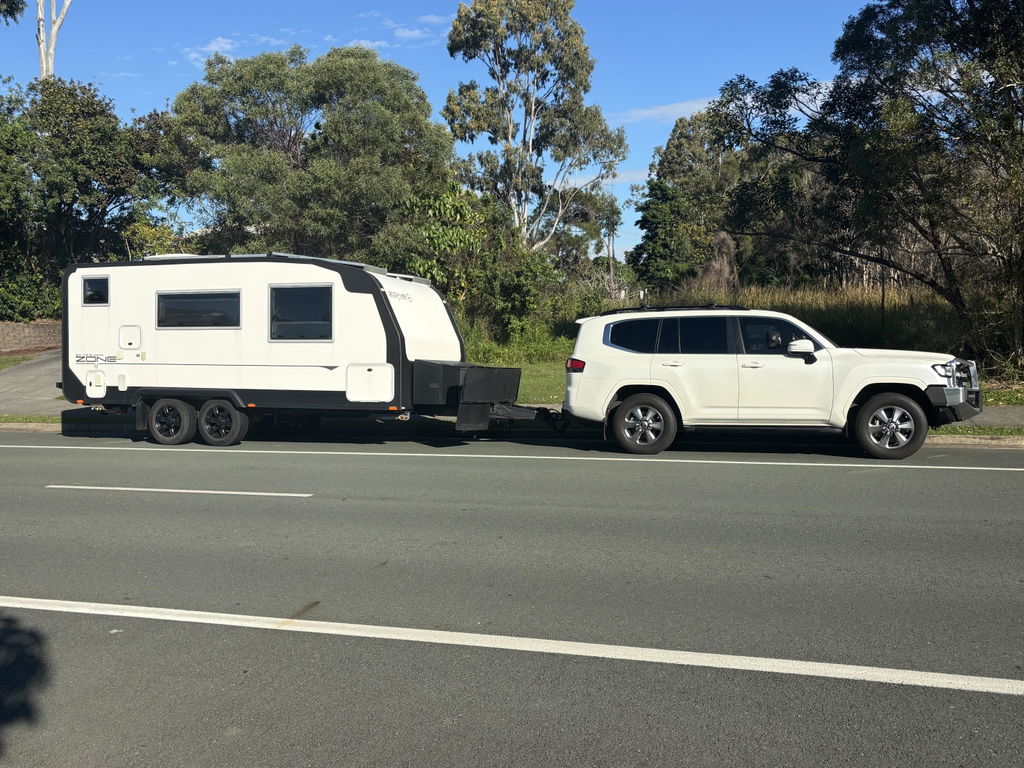
This is particularly important for caravans and trailers, where tyre issues can develop out of sight behind the vehicle.
Benefits of manual tyre pressure checks
Manual checks are still valuable and should not be ignored. They remain the best way to set your cold tyre pressures correctly before you leave.
- Simple and low-cost
- No batteries, sensors or pairing required
- Useful for checking cold tyre pressures accurately
- Good routine habit before trips
- Works for any vehicle, caravan or trailer
If you know the correct tyre pressures for your caravan, manual checks help ensure you start the trip properly.
Related reading: What Tyre Pressure Should Caravans Run?
Limitations of manual tyre pressure checks
Manual checks are useful, but they have one major weakness. They only provide a snapshot.
They cannot tell you if:
- A tyre starts losing pressure during the drive
- A tyre is overheating under load
- A caravan tyre picks up a puncture on the highway
- Pressure changes significantly as temperatures rise
- A slow leak becomes dangerous hours after departure
This is why relying on manual checks alone can leave a blind spot, especially on long-distance trips or when towing.

Benefits of a TPMS
A tyre pressure monitoring system fills the gap by tracking tyre conditions continuously while you drive.
- Live tyre pressure monitoring
- Early alerts for pressure loss
- Temperature monitoring on many systems
- Extra visibility when towing caravans and trailers
- Helps identify issues before they become expensive damage
- Useful on highways, remote trips and long touring legs
For many drivers, the biggest benefit is peace of mind. Instead of wondering whether all tyres are still running normally, you can see the data live.
If you tow regularly, you may also want to read Do You Need TPMS When Towing a Caravan?.
Why TPMS matters more when towing a caravan
A tyre problem on the tow vehicle can sometimes be felt quickly through steering, vibration or handling. A tyre problem on the caravan often does not announce itself so clearly.
That is what makes towing different. Caravan tyres are carrying weight, building heat and running behind the vehicle where they are harder to monitor visually and physically.
A caravan tyre pressure monitoring system helps by giving you live feedback on the tyres you cannot easily feel from the driver’s seat.
That is one reason many towing-focused drivers see TPMS not as a gadget, but as a practical safety tool.
Related reading: How to Prevent Caravan Tyre Blowouts
So which is better: TPMS or manual tyre pressure checks?
If the question is purely one versus the other, TPMS offers more protection during the drive because it monitors your tyres in real time. But that does not make manual checks obsolete.
The best answer is:
Use both.
Manual checks help you set the correct cold tyre pressure before departure. A TPMS helps you monitor what happens after you leave. Together, they create a much stronger tyre safety routine than either method alone.
Best practice for most caravanners and touring drivers
- Check tyre pressures manually before the trip when tyres are cold
- Use a TPMS to monitor pressure and temperature while driving
- Pay attention to alerts early rather than waiting for visible failure
- Recheck pressures when load, terrain or towing conditions change
Recommended tyre pressure monitoring option for towing setups
If you want to add live monitoring to your tyre safety routine, an external app-based TPMS is often the simplest option for caravans, trailers and touring setups.
The Safety Sam Tyre Pressure Monitoring System is built for practical use and gives you:
- Real-time tyre pressure monitoring
- Temperature monitoring
- Alerts for pressure loss and overheating
- Easy screw-on sensor installation
- App-based monitoring on your phone
- A clean fit for caravans, trailers and towing setups
It is designed to work alongside good habits, not replace them. Think of it as adding a second set of eyes to your tyres while you are on the move.

Frequently asked questions
Is TPMS better than manual tyre pressure checks?
TPMS is better at monitoring tyres while you are driving because it provides live data and alerts. Manual checks are still important for setting the correct cold tyre pressure before the trip.
Do I still need to manually check tyre pressure if I have TPMS?
Yes. Manual checks remain important because they help you set the correct starting pressure when the tyres are cold. TPMS then helps monitor changes during the drive.
Can TPMS detect a slow leak?
Yes. A good TPMS can detect gradual pressure loss and warn you before the tyre becomes dangerously underinflated.
Why is TPMS useful for caravans?
Caravan tyres are harder to monitor because they sit behind the vehicle and often show fewer obvious warning signs. A TPMS helps track them in real time.
What is the best routine for tyre safety?
The best routine is to manually check tyre pressures before travel and use a TPMS for live monitoring while driving. This gives you both a strong starting point and ongoing visibility.
Final thoughts
The debate around TPMS vs manual tyre pressure checks is not really about choosing one and ignoring the other. Each solves a different part of the tyre safety puzzle.
Manual checks help you begin the trip correctly. A TPMS helps you stay informed once the journey is underway. For caravans, trailers, 4WDs and long-distance Australian driving, that combination makes a lot of sense.
If you want a practical system built for towing setups, take a look at the Safety Sam Tyre Pressure Monitoring System.


0 comments