Is an Aftermarket TPMS Worth It?
Buying Guide • Aftermarket vs Factory
Is an Aftermarket TPMS Worth It?
An aftermarket tyre pressure monitoring system (TPMS) can be worth it if your vehicle does not have factory TPMS, if you tow a caravan or trailer, or if you want more control and clearer data than many factory systems provide.
This guide explains the difference between factory and aftermarket TPMS, who benefits most, and whether installing one makes financial and safety sense in Australia.
Part of the Safety Sam knowledge hub: TPMS Knowledge Hub.
Quick Answer
Yes, an aftermarket TPMS is often worth it — especially for caravanners, 4WD owners, work vehicles and older cars without factory monitoring.
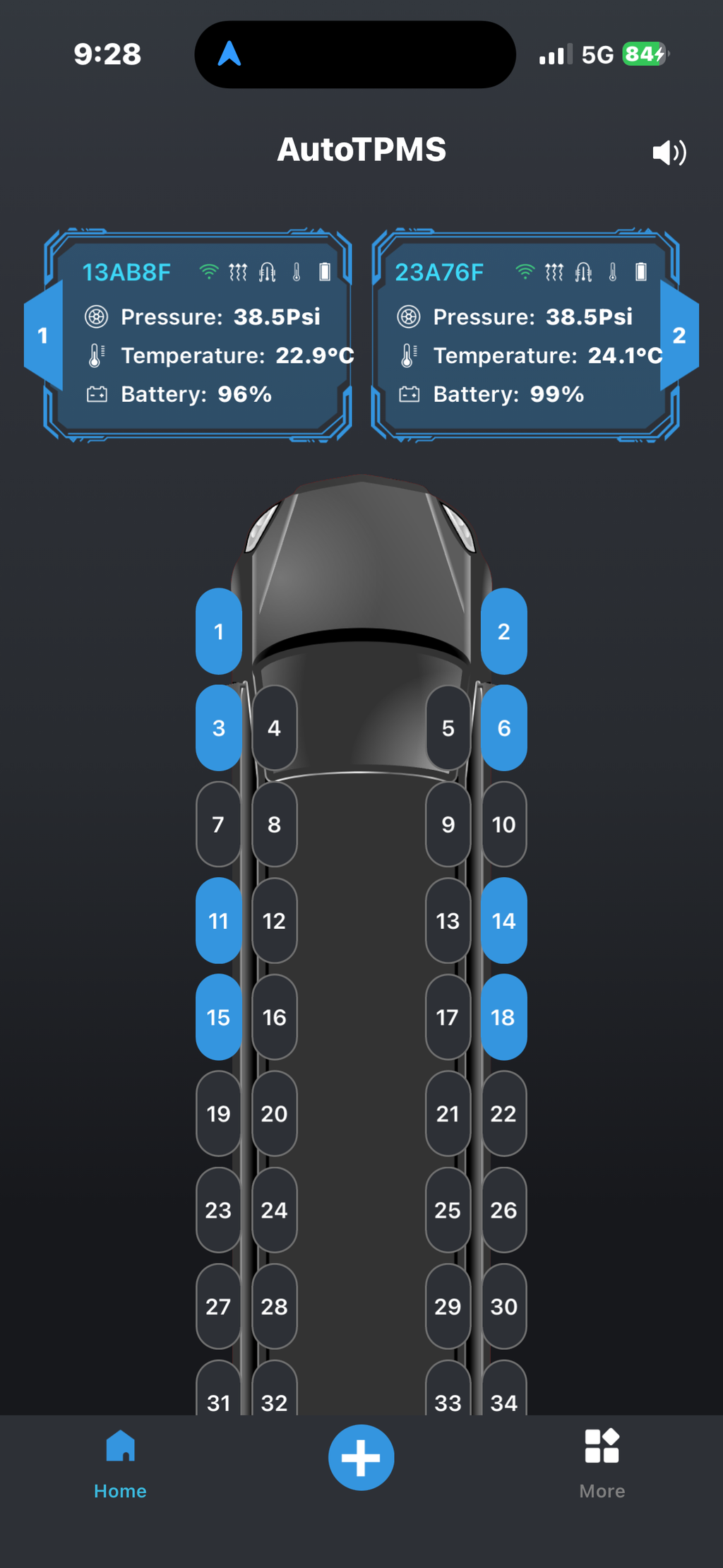
It provides real-time tyre pressure and temperature data, earlier warning of problems, and the ability to monitor trailers or additional axles.
Factory TPMS vs Aftermarket TPMS
Factory (OEM) TPMS
- Often indirect (uses wheel speed sensors)
- May only trigger when pressure drops significantly
- Usually does not show exact PSI readings
- Does not monitor caravans or trailers
Aftermarket TPMS
- Usually direct pressure monitoring
- Displays real-time PSI readings
- Often includes temperature monitoring
- Can monitor multiple axles and trailers
- Adjustable alert thresholds
Learn how sensors actually work: How Does a TPMS Sensor Work?
Who Benefits Most from an Aftermarket TPMS?
1. Caravan Owners and Towers
Factory systems rarely monitor trailer tyres. An aftermarket system allows you to monitor both vehicle and caravan in real time.
More towing guidance: Best TPMS for Caravans & Towing
2. 4WD and Off-Road Drivers
Off-road driving often involves adjusting tyre pressures. An aftermarket TPMS allows you to track changes and heat build-up as conditions vary.
3. Older Vehicles Without Factory TPMS
Many vehicles sold in Australia before mandatory TPMS regulations overseas do not include monitoring. An aftermarket system fills that gap.
4. Work Vehicles and Fleets
Downtime from tyre damage costs money. Monitoring helps reduce breakdown risk and unexpected repairs.
Cost vs Benefit in Australia
Most aftermarket TPMS systems in Australia cost between $120 and $400, depending on features and number of sensors.
Full pricing breakdown: How Much Does a TPMS Cost in Australia?
Compare this to:
- The cost of one damaged tyre ($300–$600+)
- Fuel consumption from underinflated tyres
- Caravan tyre failure while towing
- Lost work time from roadside breakdowns
In many cases, avoiding a single tyre failure offsets the cost of the system.
Are There Downsides to Aftermarket TPMS?
- External sensors require battery replacement
- Internal systems require professional installation
- Some low-cost systems may have unreliable signal range
Compare sensor types: Wireless vs Internal TPMS
Is It Worth It for Most Drivers?
For drivers who tow, travel long distances, drive in remote areas, or want earlier warnings than factory systems provide — yes, an aftermarket TPMS is typically worth the investment.
View the Safety Sam system here: Tyre Pressure Monitoring System
FAQs
Is factory TPMS enough?
Factory systems can alert you to major pressure loss, but many do not provide real-time PSI readings or trailer monitoring.
Do I need aftermarket TPMS if my car already has TPMS?
If you tow a caravan or want more detailed data, an aftermarket system can provide additional monitoring and flexibility.
Is aftermarket TPMS legal in Australia?
Yes. Aftermarket TPMS systems are legal to install on vehicles in Australia.