How Often Should You Check Tyre Pressure in Australia?
Tyre Safety Guide • Australia
How Often Should You Check Tyre Pressure in Australia?
In Australia, you should check your tyre pressure at least once a month and before any long trip. If you tow a caravan, drive off-road, or experience major temperature changes, checking more frequently is recommended.
This guide explains how often to check tyre pressure, why Australian conditions matter, and how tyre pressure monitoring systems (TPMS) can reduce risk.
Part of the Safety Sam knowledge hub: TPMS Knowledge Hub.
Quick Answer
- Everyday driving: Once per month
- Before long trips: Always check cold pressures
- Caravanning or towing: Before every departure
- Off-road driving: Before and after pressure changes
- Seasonal changes: When temperatures shift significantly
Why Tyre Pressure Checks Matter More in Australia
Australia’s climate and road conditions vary dramatically — from coastal humidity to inland heat and long highway stretches.
Tyre pressure changes with temperature. As a general rule:
- Pressure drops in cold weather
- Pressure rises during hot weather and highway driving
Even a 10°C temperature shift can alter tyre pressure by 1–2 PSI.
Why Once Per Month Is Recommended
Tyres naturally lose small amounts of air over time. A slow leak or gradual pressure drop may not be obvious while driving.
Monthly checks help prevent:
- Uneven tyre wear
- Reduced fuel efficiency
- Excess heat build-up
- Premature tyre failure
Learn more about monitoring systems: What Is a Tyre Pressure Monitoring System?
Before Long Highway Drives
Always check tyre pressure before:
- Holiday travel
- Road trips
- Caravan towing
- Remote area travel
Highway speeds increase heat and pressure. Starting with correct cold pressures reduces the risk of blowouts.
If you experience highway warnings: Why Does My TPMS Go Off on the Highway?
How Often Should Caravan Tyres Be Checked?
Caravan tyres should be checked:
- Before every trip
- After significant load changes
- After long highway runs
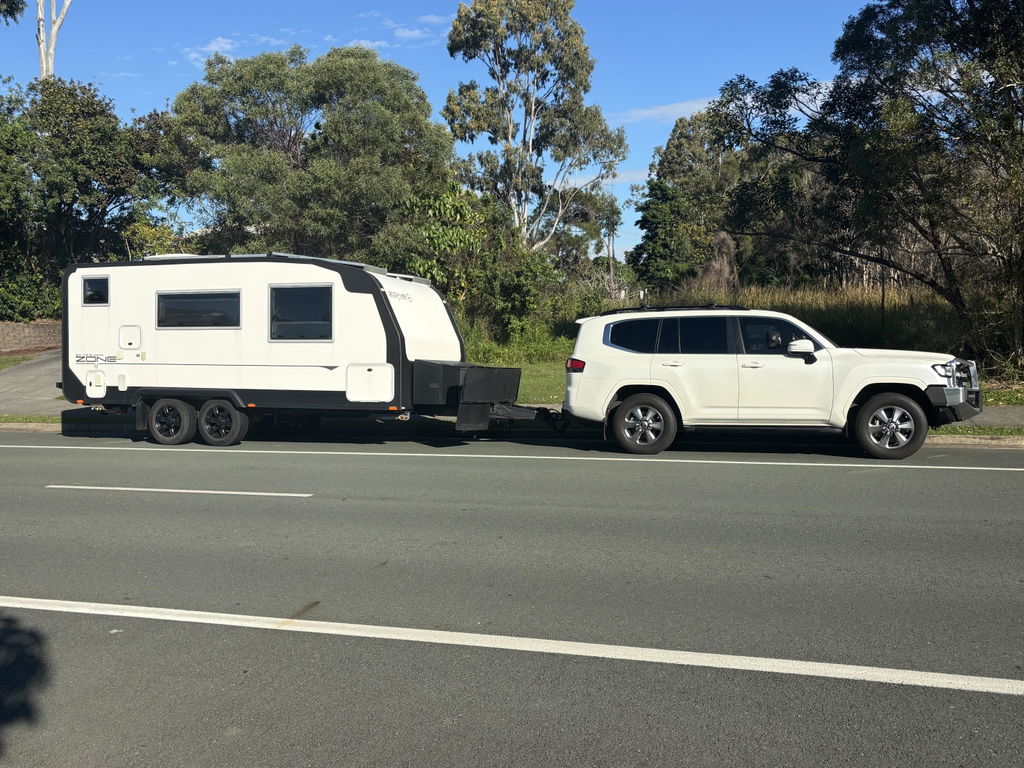
Caravan tyres often run higher pressures and experience heavy loads. Monitoring both pressure and temperature adds another layer of protection.
Caravan-specific advice: Best TPMS for Caravans & Towing
What About 4WD and Off-Road Drivers?
Off-road drivers frequently adjust tyre pressure for terrain. You should:
- Check pressure before lowering for sand or tracks
- Reinflate and re-check before returning to highway speeds
Pressure changes dramatically affect handling and heat generation.
Can a TPMS Replace Manual Checks?
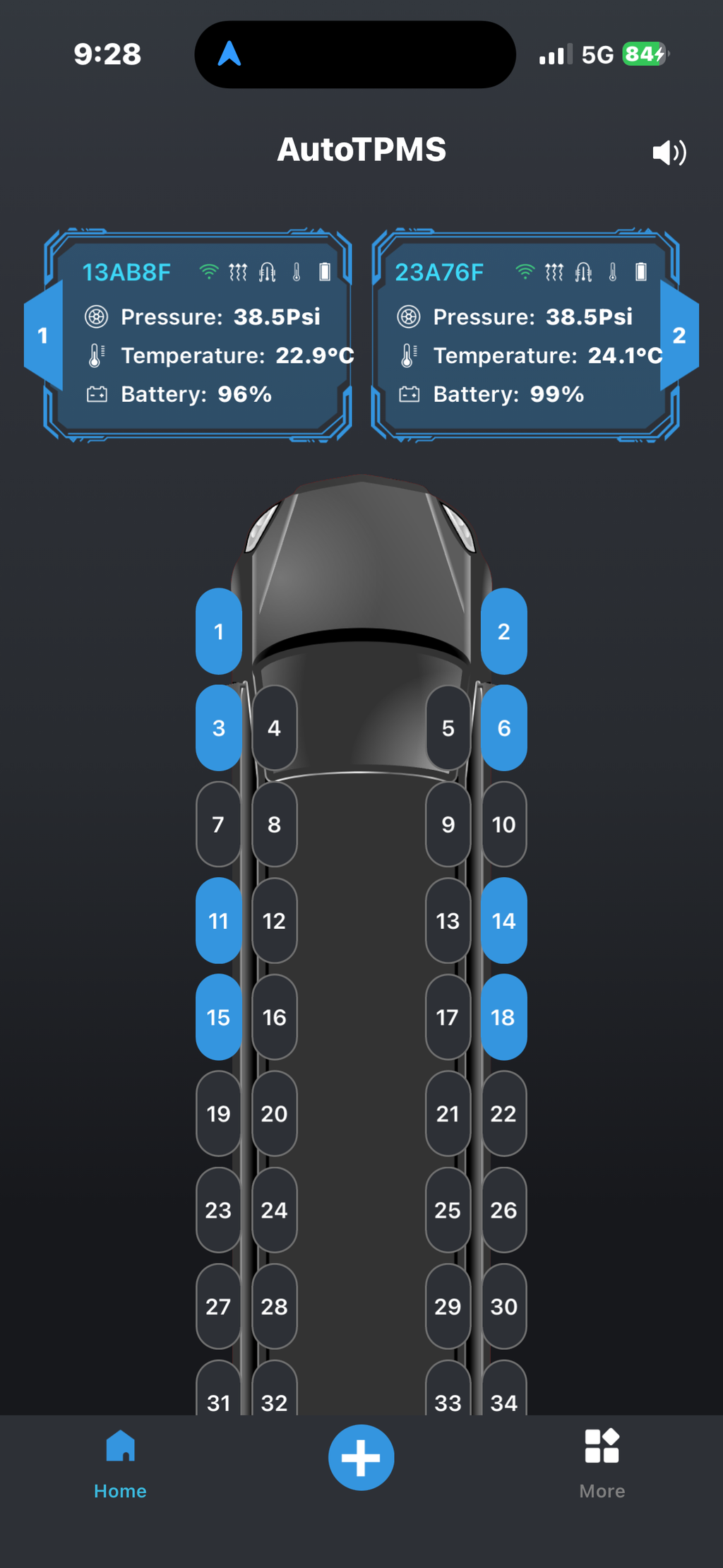
A TPMS provides continuous monitoring while driving, but you should still manually check cold pressures periodically.
TPMS helps by:
- Alerting you to sudden pressure drops
- Monitoring temperature build-up
- Providing real-time PSI data
Learn how sensors work: How Does a TPMS Sensor Work?
The Cost of Not Checking Tyre Pressure
Driving on underinflated tyres can lead to:
- Increased fuel consumption
- Uneven wear and shorter tyre life
- Heat-related blowouts
- Reduced braking performance
Compare costs here: How Much Does a TPMS Cost in Australia?
Make Tyre Pressure Monitoring Automatic
If you prefer continuous monitoring rather than relying on memory, a TPMS can provide real-time alerts while driving.
View the Safety Sam system here: Tyre Pressure Monitoring System
FAQs
How often should I check tyre pressure in Australia?
At least once per month and before long trips. More frequently if towing, off-roading, or during seasonal temperature changes.
Should tyre pressure be checked hot or cold?
Tyre pressure should be checked when tyres are cold, ideally before driving or after the vehicle has been parked for several hours.
Does tyre pressure change with weather?
Yes. Pressure decreases in cold weather and increases in hot conditions. Temperature changes directly affect PSI readings.