TPMS Sensors Australia
Safety Sam • Caravan & 4WD Touring
TPMS Sensors Australia
Looking for TPMS sensors that actually hold up to touring, towing, and corrugations? This guide covers how TPMS sensors work, what to buy, what to avoid, and how to choose the right sensors for caravans, camper trailers, and 4WDs.
What are TPMS sensors?
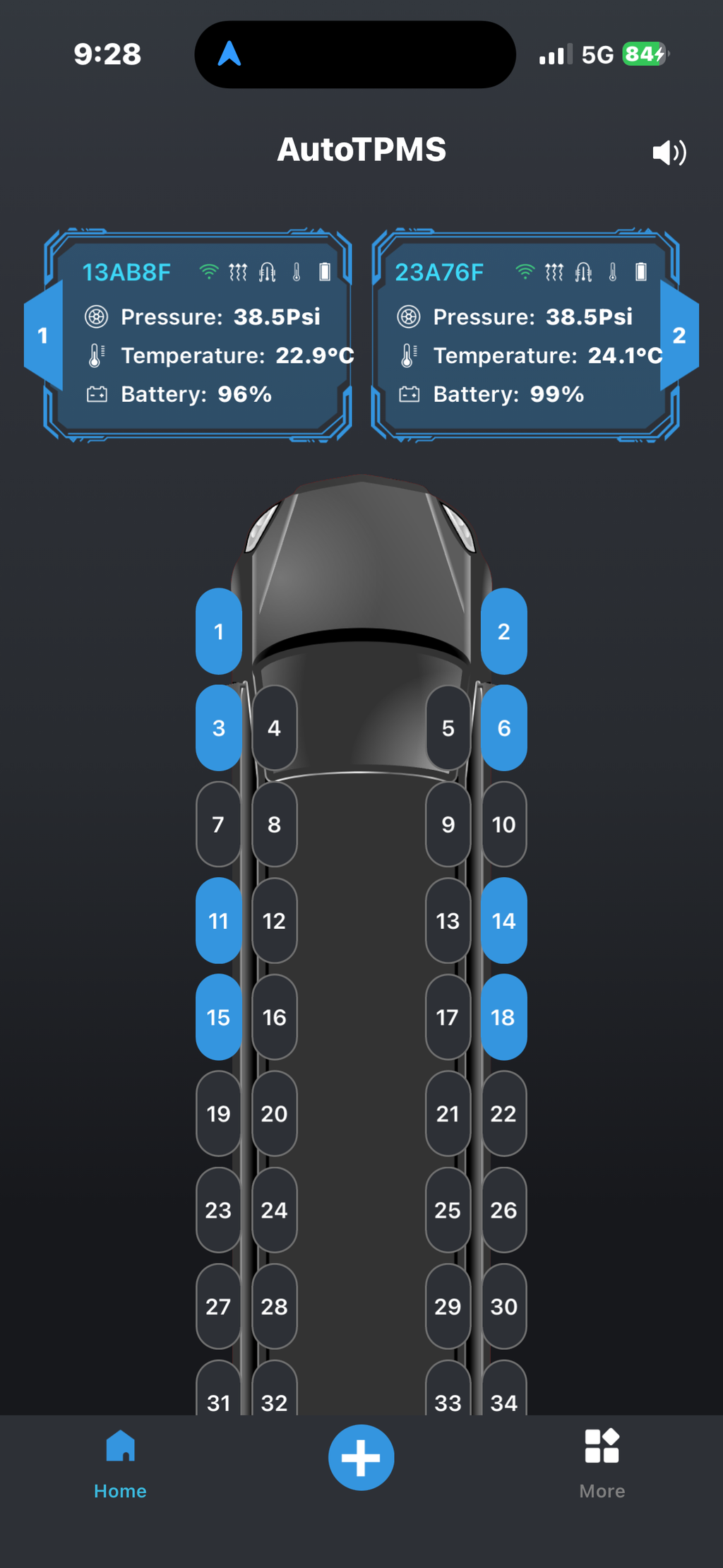
A TPMS sensor (Tyre Pressure Monitoring System sensor) measures your tyre pressure and often tyre temperature, then sends that data wirelessly to a display in your vehicle. The goal is simple: spot a slow leak early, avoid blowouts, and keep your tow rig and caravan stable, safe, and efficient.
For Australian touring, TPMS sensors are especially valuable on long highway runs, hot days, rough roads, and remote stretches where a small leak can turn into a big problem.
Internal vs external TPMS sensors
| Feature | External TPMS Sensors | Internal TPMS Sensors |
|---|---|---|
| Installation | Easy DIY, fits to valve | Requires tyre removal |
| Best for touring | Yes, especially caravans and trailers | Yes, but more effort and cost |
| Replacing a single sensor | Simple and fast | Harder, tyre shop job |
| Water and dust exposure | Choose waterproof sensors | Protected inside tyre |
| Cost | Usually lower cost per wheel | Usually higher cost per wheel |
If you tow a caravan or camper trailer, external TPMS sensors are often the practical choice because they are easy to fit, easy to replace, and ideal if you run multiple wheel sets.
Want the deeper breakdown? Read the Internal vs External TPMS Sensors guide.
TPMS sensors for caravans, camper trailers & towing
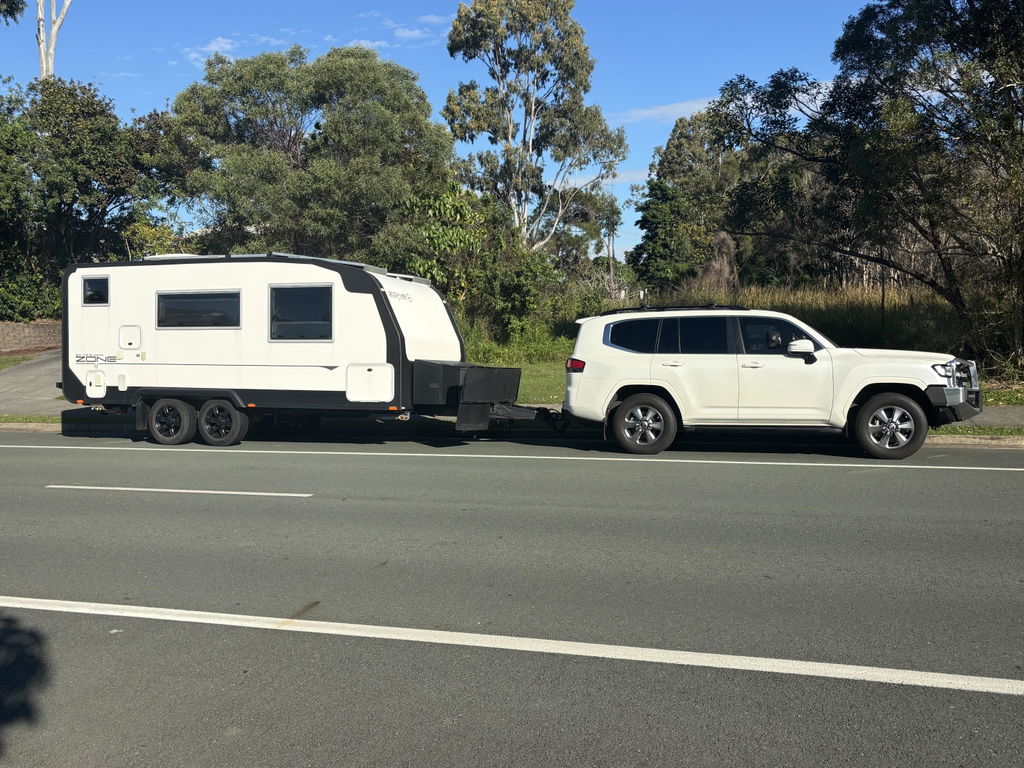
When you add a trailer, you add risk. A slow leak on the caravan can show up as sway, heat, or tyre delamination. TPMS sensors help you catch pressure loss early, before it becomes a roadside repair or a safety event.
- Dual axle setups: You want stable signal and clear wheel identification.
- Long highway days: Temperature monitoring helps detect overheating tyres.
- Corrugations: Choose sensors that hold readings and do not drop out.
- Water crossings and rain: Waterproof matters, especially for external sensors.
How to choose the right TPMS sensors
- Confirm compatibility: Some sensors only pair with specific monitors. If you already have a system, make sure replacement sensors match your monitor.
- Pick your sensor type: External sensors are easiest for caravans and 4WD touring. Internal sensors suit people who prefer a hidden install.
- Waterproof rating: Look for sensors designed for rain, spray, and road grime.
- Battery and serviceability: Some sensors allow battery replacement. Others are sealed and replaced as a unit.
- Signal stability: Towing adds distance. A good system holds signal from the caravan wheels back to the cabin.
If you want a straightforward “buying checklist”, see: TPMS FAQ and buyer guide.
Installation, pairing and setup
Most external TPMS sensors install in minutes. Pairing is the step that matters. You want each sensor correctly assigned to the wheel position so alerts are meaningful.
- Install: Fit sensors to the valves and confirm a stable reading.
- Pair: Add sensors in a logical order, front to rear, then caravan.
- Set alerts: Configure pressure thresholds based on your tyre and load.
- Test: Do a short drive and confirm no dropouts.
Add your install video here later: TPMS Installation and Videos.
Battery life, maintenance and replacements
Sensor battery life depends on sensor type, temperature, usage, and vibration. For touring rigs, the most common issues are battery depletion, seal wear, and physical damage.
- Check sensors before big trips and replace damaged seals early.
- Keep valve caps and threads clean to avoid slow leaks.
- If readings drop out, re-seat the sensor and confirm pairing.
- Carry a spare sensor for remote travel, especially for caravans and dual axle setups.
Need help diagnosing issues? Why TPMS Sensors Fail and What To Do.
Ready to upgrade your touring safety?
Get a TPMS built for towing and touring, with clear alerts and reliable readings.
Shop Safety Sam TPMSTPMS Sensors FAQs
Can I replace TPMS sensors individually?
Are external TPMS sensors waterproof?
Do TPMS sensors work on dual axle caravans?
Why does my TPMS sensor keep dropping out?
What is the best TPMS sensor type for caravans?
Want the full checklist? Read the full TPMS FAQ and buyer guide.