What Is a Tyre Pressure Monitoring System?
Australia • Guide

A tyre pressure monitoring system (TPMS) is a set of sensors and a display (or app) that continuously measures the air pressure inside your tyres and alerts you if it drops too low, rises too high, or changes fast enough to suggest a leak. Many systems also monitor tyre temperature, which is a useful early warning for heat build-up when towing, touring, or driving long distances in Australian conditions.
This page is part of our TPMS knowledge base. If you want the complete “everything in one place” guide, start here: The Complete Guide to Tyre Pressure Monitoring Systems in Australia.
Quick answer
A TPMS works by placing a small sensor on each wheel (either external on the valve stem or internal inside the tyre). The sensor measures pressure (and often temperature) and sends the data wirelessly to a display unit. If the pressure moves outside your pre-set safe range, the system alerts you so you can stop and fix the issue before it becomes tyre damage, poor handling, or a blowout.
Why TPMS exists (and why it matters)
Tyres lose pressure more often than people think. Sometimes it’s obvious. Most of the time it’s not. A slow leak, a damaged valve core, a tiny puncture, or a bead that isn’t sealing perfectly can drop your pressure gradually over days or weeks. By the time you “feel” it, you’ve often already:
- Worn the tyre unevenly
- Reduced fuel economy through higher rolling resistance
- Built excess heat in the sidewall
- Compromised braking and handling
- Increased the risk of a sudden failure at highway speed
In Australia, that matters more because we do long distances, we tow more, and heat is a constant factor for much of the year. If you want a simple “how much does it really matter?” scenario, read: What Happens If Your Tyres Are 5 PSI Under?
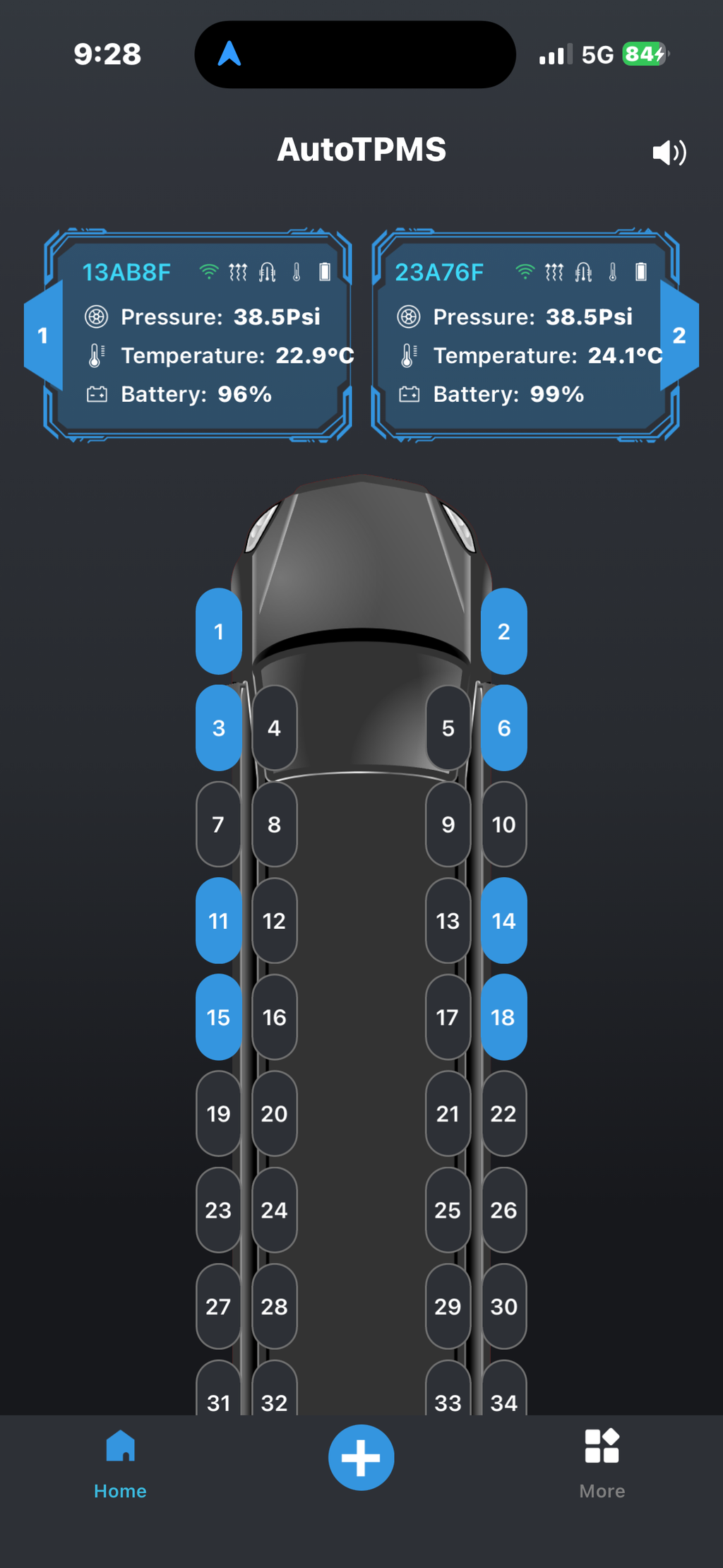
What a tyre pressure monitoring system tells you
A good TPMS doesn’t just flash a generic warning light. It shows you what’s happening, on which tyre, and how quickly it’s changing. Depending on the system, you’ll typically see:
- Live tyre pressure (PSI) for each wheel
- Live tyre temperature for each wheel (common on many systems)
- Low pressure alerts when PSI drops below your threshold
- High pressure alerts when PSI rises above your threshold (often heat-related)
- Fast leak alerts when pressure drops rapidly
- High temperature alerts when a tyre is heating abnormally
That last one is worth noting: heat is often the “silent narrator” of tyre problems. Heat can be caused by low pressure, overloading, internal damage, or even a wheel bearing issue. Temperature alerts are not something to ignore.
How a TPMS works (without the jargon)
At its core, a TPMS is simple:
- A sensor measures the pressure inside the tyre.
- The sensor transmits readings wirelessly to a receiver.
- The receiver displays the readings and triggers alerts when thresholds are crossed.
Some systems are built into the vehicle (factory TPMS). Many people, especially towers and tourers, choose an aftermarket TPMS because it’s flexible, can cover more tyres (including caravans/trailers), and can provide live PSI per wheel.
If you want the deeper “what’s actually happening under the hood” explanation, read: How Does a TPMS Sensor Work?
Types of TPMS
1) Direct TPMS
Direct TPMS uses sensors to measure actual tyre pressure (PSI) in each wheel. This is the most common approach for aftermarket systems and it’s generally the best choice if you want accurate, real-time monitoring.
2) Indirect TPMS
Indirect TPMS uses the vehicle’s ABS/wheel-speed sensors to estimate changes in tyre pressure. It doesn’t measure PSI. It infers it. That means it can miss subtle changes and it’s less useful when loads change (like towing).
For the full comparison and practical advice: Direct vs Indirect TPMS Explained
Internal vs external sensors
Within direct systems, you’ll choose between internal sensors and external sensors:
- External sensors screw onto the valve stem. Quick DIY setup, easy to swap between vehicles or to add a caravan.
- Internal sensors sit inside the tyre. Protected, neat, but require tyre removal and balancing to install or replace.
If you’re choosing between the two, this is your next click: Wireless vs Internal TPMS: Which Is Better?
Who should use a TPMS?
Everyday drivers
If you mainly do school runs, commuting, and weekend errands, a TPMS is a practical “set-and-forget” safety upgrade. It helps catch slow leaks and saves you from discovering a flat at the worst possible time.
4WD and touring drivers
Touring adds distance, changing loads, and often changing pressures. A TPMS helps you keep an eye on tyres across long stretches of road and can catch the early warning signs of a puncture before you shred a sidewall. If you’re building a touring setup, see: Best Tyre Pressure Monitoring Systems for 4WDs in Australia.
Caravan and towing setups
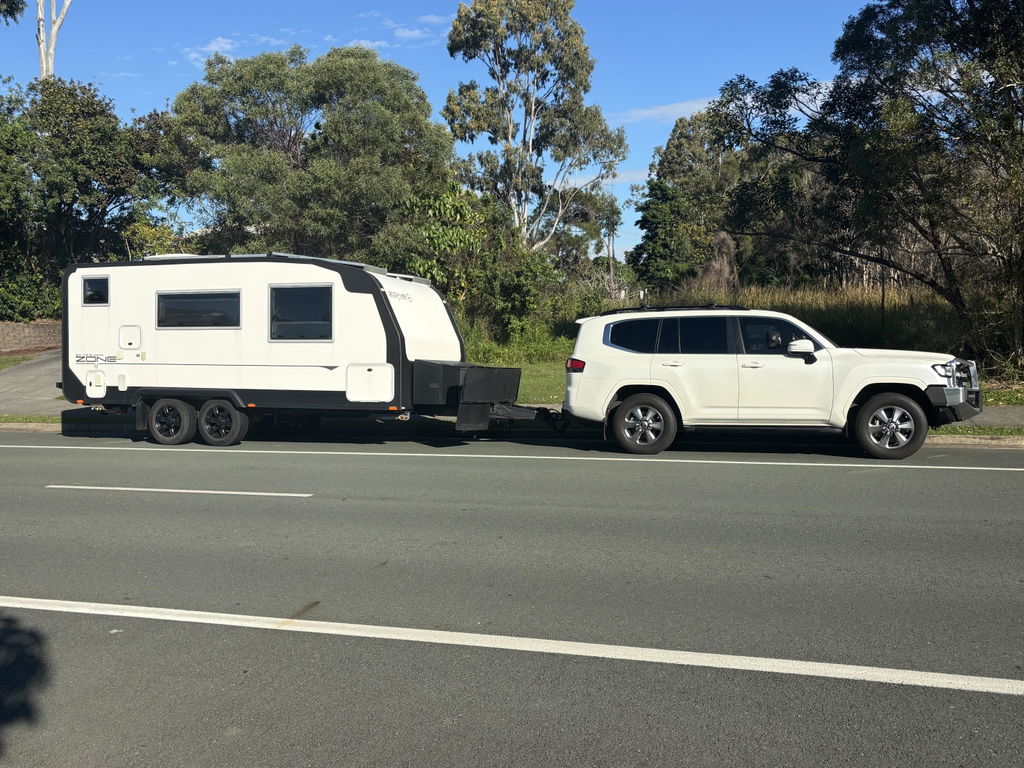
This is where TPMS earns its keep. The caravan has its own tyres, bearings, and loads, and problems can develop without you noticing in the cab. A towing-capable TPMS gives you visibility across the whole rig. Start here: Best TPMS for Caravans and Towing.
The benefits of a tyre pressure monitoring system
1) Early warning of pressure loss
Many punctures don’t fail instantly. They leak slowly. A TPMS can flag the trend early, giving you time to pull over safely and fix it.
2) Reduced tyre wear and improved fuel economy
Correct tyre pressures improve tread wear and reduce rolling resistance. Over a year, that can mean fewer tyre replacements and better fuel economy, especially if you’re doing lots of highway kilometres.
3) Better handling and braking
Tyres at the right pressure behave predictably. Under-inflation can make a vehicle feel vague, increase stopping distances, and reduce stability under load.
4) Confidence when towing
When you tow, you want less uncertainty. TPMS reduces the “hope for the best” factor by making tyre pressure visible in real time.
5) Better decisions when conditions change
Temperatures rise, loads shift, road surfaces change. TPMS gives you data so you can respond faster and with more confidence.
How do you install a TPMS?
Most external sensor systems are DIY: you screw the sensors onto the valve stems, pair them to wheel positions, and set your alert thresholds. Internal sensors usually require tyre removal and balancing.
Full steps and what to watch out for here: How to Install a Tyre Pressure Monitoring System
If you’re wondering where most people go wrong (pairing, thresholds, and false alarms), you’ll also want: TPMS Fault Warning Meaning
How much does a TPMS cost (and what should you buy)?
TPMS pricing varies based on sensor count, towing range, display quality, and whether the system includes temperature monitoring. The best “value” system is the one that’s reliable for your setup, not just the cheapest unit on a shelf.
Common questions and troubleshooting
If you’re already using a TPMS (or thinking about it), these are the issues people hit most often:
FAQs
Is a tyre pressure monitoring system the same as a tyre pressure gauge?
Not quite. A gauge gives you a manual reading at one point in time. A TPMS monitors continuously and alerts you automatically if pressure changes. They work well together: gauge for setup and verification, TPMS for ongoing monitoring.
Do TPMS sensors work on caravans?
Yes, provided the TPMS supports enough sensors and has reliable range for towing. If you tow, start here: Best TPMS for Caravans and Towing.
Do I still need to check pressures manually?
It’s smart to do periodic manual checks, especially before big trips, but a TPMS reduces the chance you’ll miss a slow leak between checks.
Are external sensors safe?
External sensors are widely used and safe when installed correctly on good-quality valve stems and checked periodically. If you’re running old or low-quality valve stems, replace them as part of setup. External sensors are popular because they’re easy and flexible.
What’s the best TPMS for Australia?
The best TPMS depends on your setup. If you tow, you need reliable range and multi-tyre support. If you tour off-road, durability and stable readings matter. Use these guides: Caravan TPMS and 4WD TPMS.
Next step
If you want the “master hub” that links every TPMS guide together, go here: The Complete Guide to Tyre Pressure Monitoring Systems in Australia.
If you’re ready to view the product: Tyre Pressure Monitoring System