How to Install a Tyre Pressure Monitoring System
Australia • Installation Guide

Installing a tyre pressure monitoring system (TPMS) is usually straightforward, especially if you’re using external sensors. This guide walks you through how to install a TPMS step-by-step, whether you’re setting it up on a car, 4WD, or caravan towing setup.
If you’re new to TPMS entirely, start here first: What Is a Tyre Pressure Monitoring System? or visit the full knowledge hub: Complete TPMS Guide for Australia.
Quick overview
Most aftermarket TPMS systems use either:
- External sensors that screw onto your valve stems (DIY friendly)
- Internal sensors installed inside the tyre (requires tyre removal)
External sensor installation usually takes 20–40 minutes. Internal sensor installation requires professional fitting and wheel balancing.
Before you start: Important checks
1) Inspect valve stems
External TPMS sensors attach directly to valve stems. Make sure:
- Valve stems are not cracked or brittle
- They are rated for the tyre pressure you run
- They are metal or high-quality rubber stems in good condition
2) Set correct tyre pressures first
Inflate tyres to manufacturer-recommended cold pressures before installing sensors. Your TPMS alerts should be based on correct baseline pressures.
3) Read your system manual
Each TPMS model has specific pairing and calibration steps. Review your manual before starting.
How to install external TPMS sensors (DIY method)
Step 1: Pair sensors to wheel positions
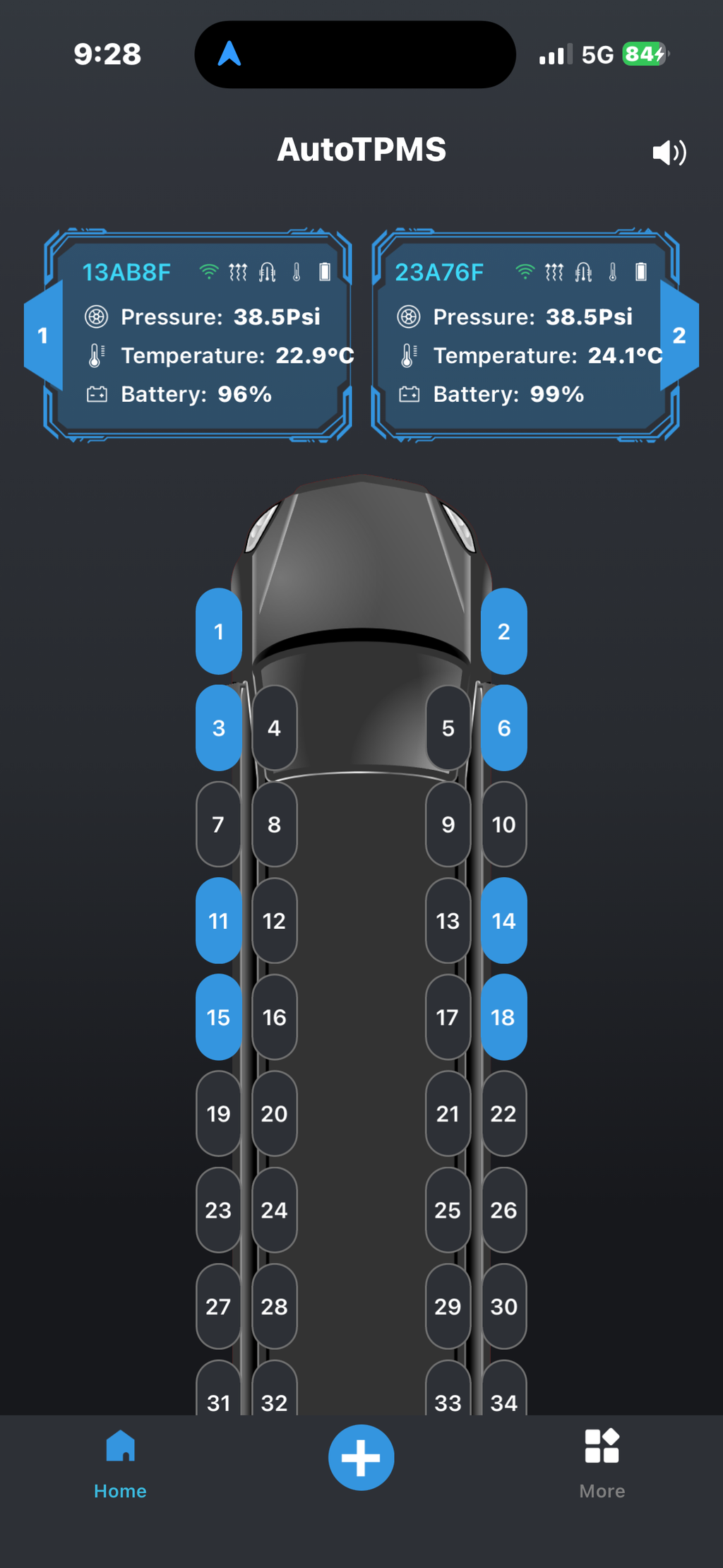
Turn on your TPMS display and enter pairing mode. Assign each sensor to the correct wheel position (e.g., front left, rear right, caravan axle 1 left).
Step 2: Install the sensor onto the valve stem
- Remove the standard valve cap
- Screw the TPMS sensor onto the valve stem
- Hand-tighten firmly (do not overtighten)
You may hear a brief air hiss during installation. That’s normal.
Step 3: Confirm live readings
Within a few seconds to minutes, the display should show live PSI readings. Confirm the displayed pressure matches your manual gauge reading closely.
Step 4: Set alert thresholds
Set:
- Low pressure alert (typically 10–15% below baseline)
- High pressure alert
- Temperature alert (if supported)
Step 5: Road test
Drive for 5–10 minutes and confirm:
- All sensors report consistently
- No dropouts occur
- Readings stabilise once tyres warm up
How to install internal TPMS sensors
Internal sensors mount inside the tyre, typically attached to the valve stem or rim band. Installation requires:
- Tyre removal from the rim
- Sensor mounting
- Rebalancing the wheel
- Reinstallation onto the vehicle
Because this involves tyre dismounting, most drivers use a tyre professional.
If you’re deciding between internal and external sensors, read: Wireless vs Internal TPMS: Which Is Better?
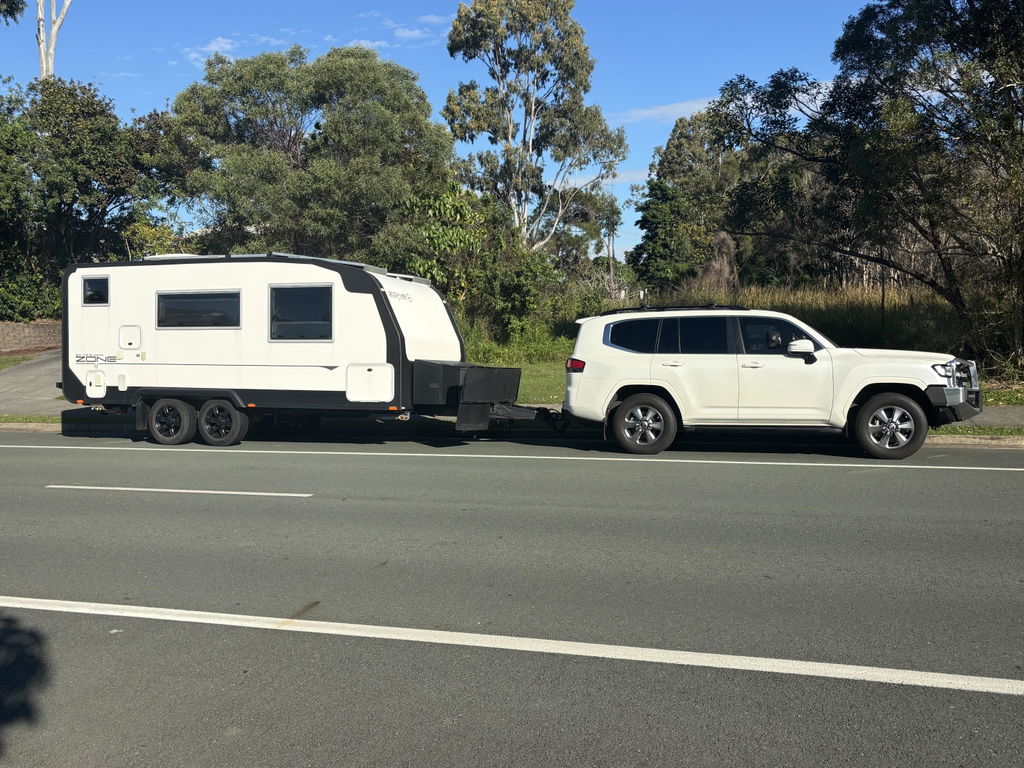
Installing TPMS on a caravan or towing setup
Caravan installation follows the same external steps, with a few extra considerations:
- Ensure your system supports enough tyres
- Check signal range between vehicle and caravan
- Consider a signal repeater for longer rigs
If you’re choosing a towing-capable system: Best TPMS for Caravans and Towing
Common TPMS installation mistakes
- Installing on worn valve stems
- Not setting proper alert thresholds
- Ignoring temperature alerts
- Incorrect sensor pairing to wheel positions
- Overtightening sensors
If your system is misbehaving, see: TPMS Sensor Not Reading? Here’s Why
After installation: Best practices
- Check sensors visually during routine tyre inspections
- Replace sensor batteries as recommended
- Re-check thresholds if you change loads or towing setup
- Confirm readings periodically with a manual gauge
A TPMS is a monitoring tool, not a replacement for responsible tyre maintenance.
FAQs: TPMS installation
Can I install a TPMS myself?
Yes, external sensor systems are designed for DIY installation. Internal systems require professional tyre fitting.
How long does installation take?
External systems typically take 20–40 minutes. Internal installations depend on tyre shop availability.
Do I need to rebalance tyres after installing external sensors?
Generally no, as external sensors are lightweight. Internal sensors require rebalancing.
Should I use metal valve stems?
High-quality valve stems are recommended, especially for higher pressures or towing setups.
Ready to install yours?
View our tyre pressure monitoring system here: Tyre Pressure Monitoring System
Or return to the main hub: Complete TPMS Guide